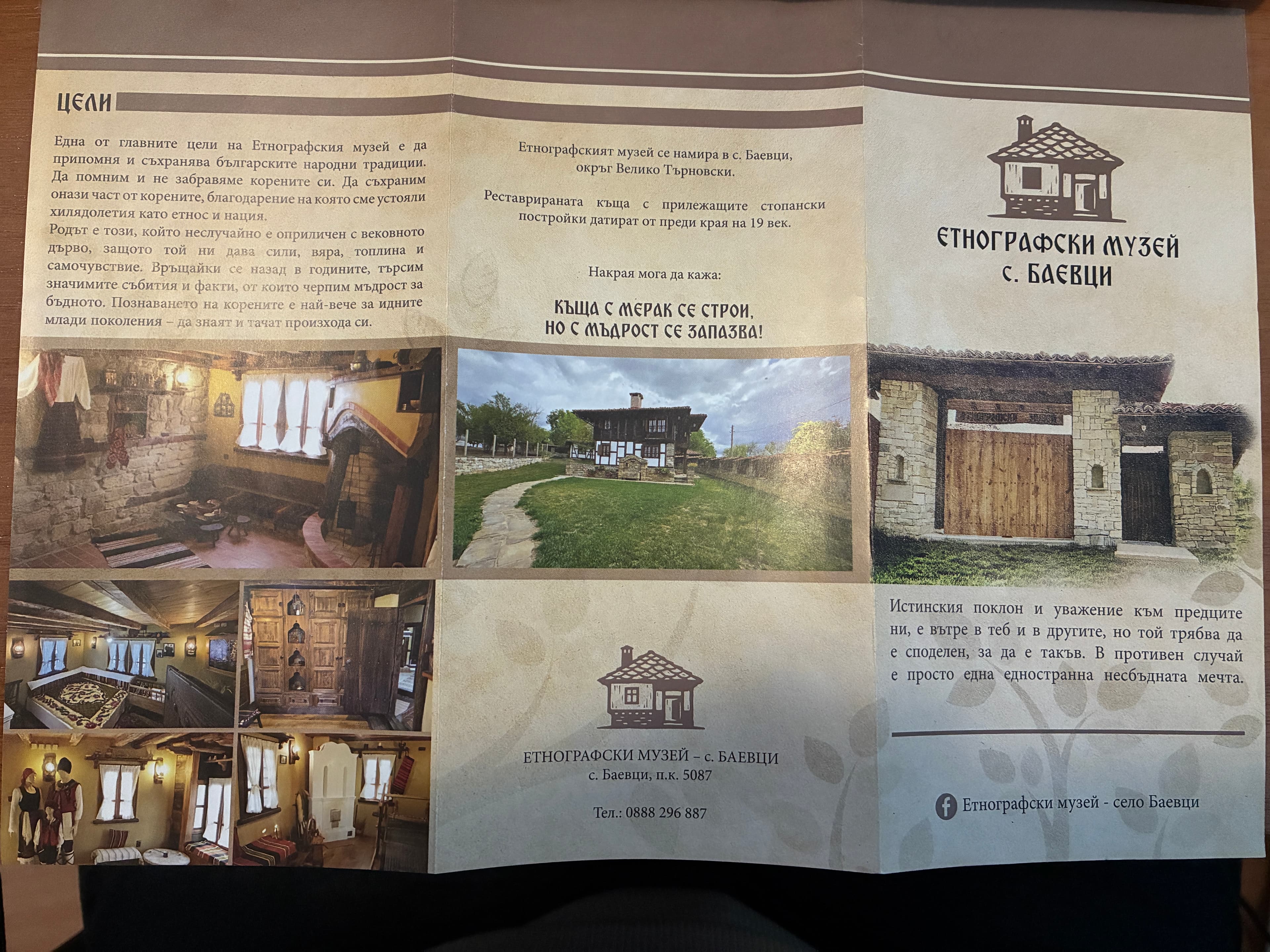
Baevtsi Ethnographic Museum
The museum was created in memory of, and in tribute to, our ancestors.
About the museum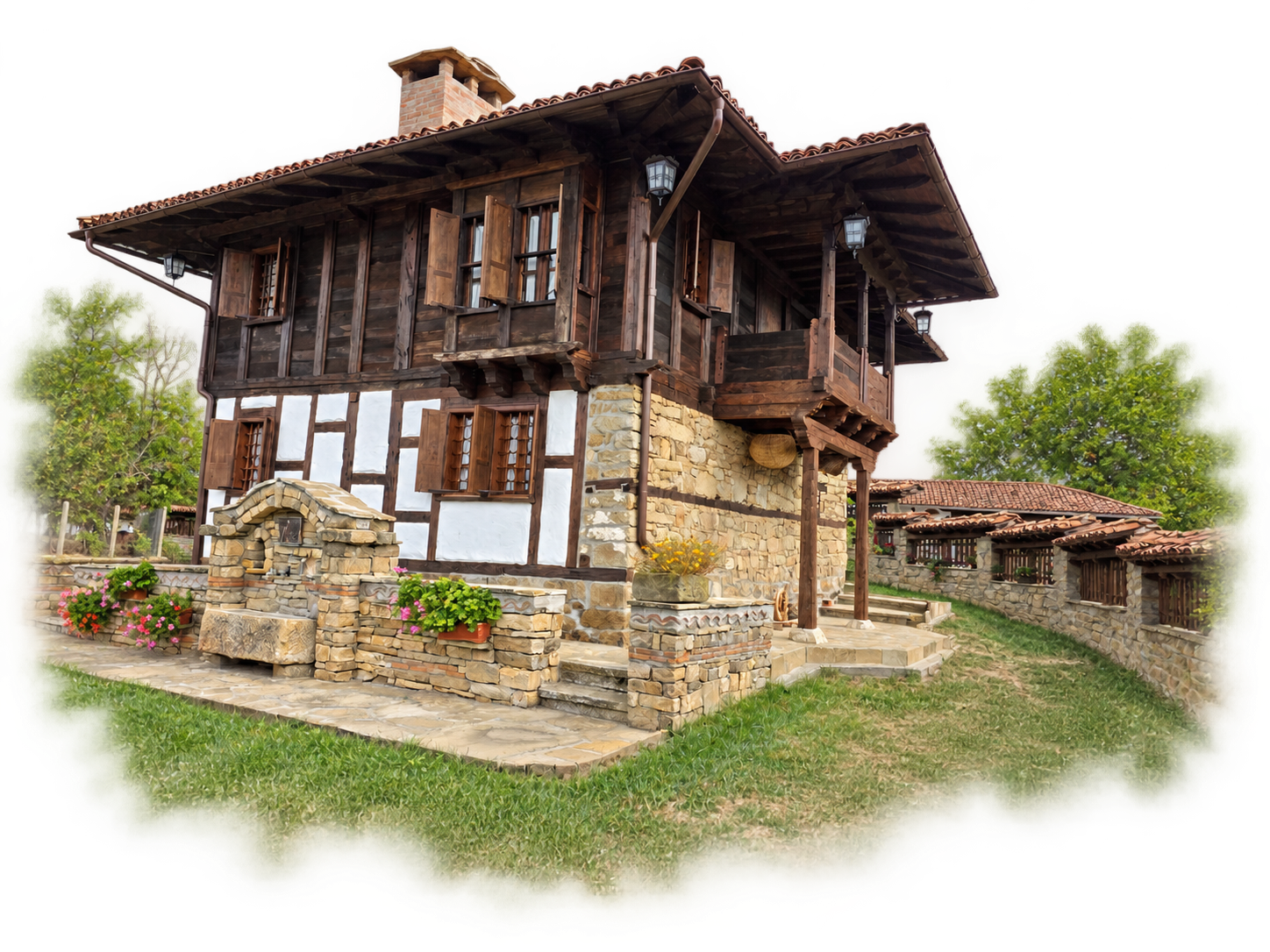
The museum
The museum exhibition and the structural restoration of the house were completed over three years (2020–2023) by the engineers Lalka and Yordan Mihovi, in memory of their ancestors. Yordan is a sixth-generation descendant of Simeon Boev Simeonov. Work on the interior arrangement continued from 2023 until the summer of 2025.
The museum was created in memory of, and in tribute to, our ancestors, thanks to whom we are here on this land today. Here you can see how our grandparents and great-grandparents lived and worked more than 150 years ago.
I would like to point out that you will encounter the life of a family stretching back seven generations.
As you enter the courtyard, the stable and barn stand in the foreground. Behind them rises the two-storey house, with traces of the Bulgarian National Revival period deliberately preserved. Its architecture and everyday surroundings bear witness to that distant time, almost 160 years ago.
The house
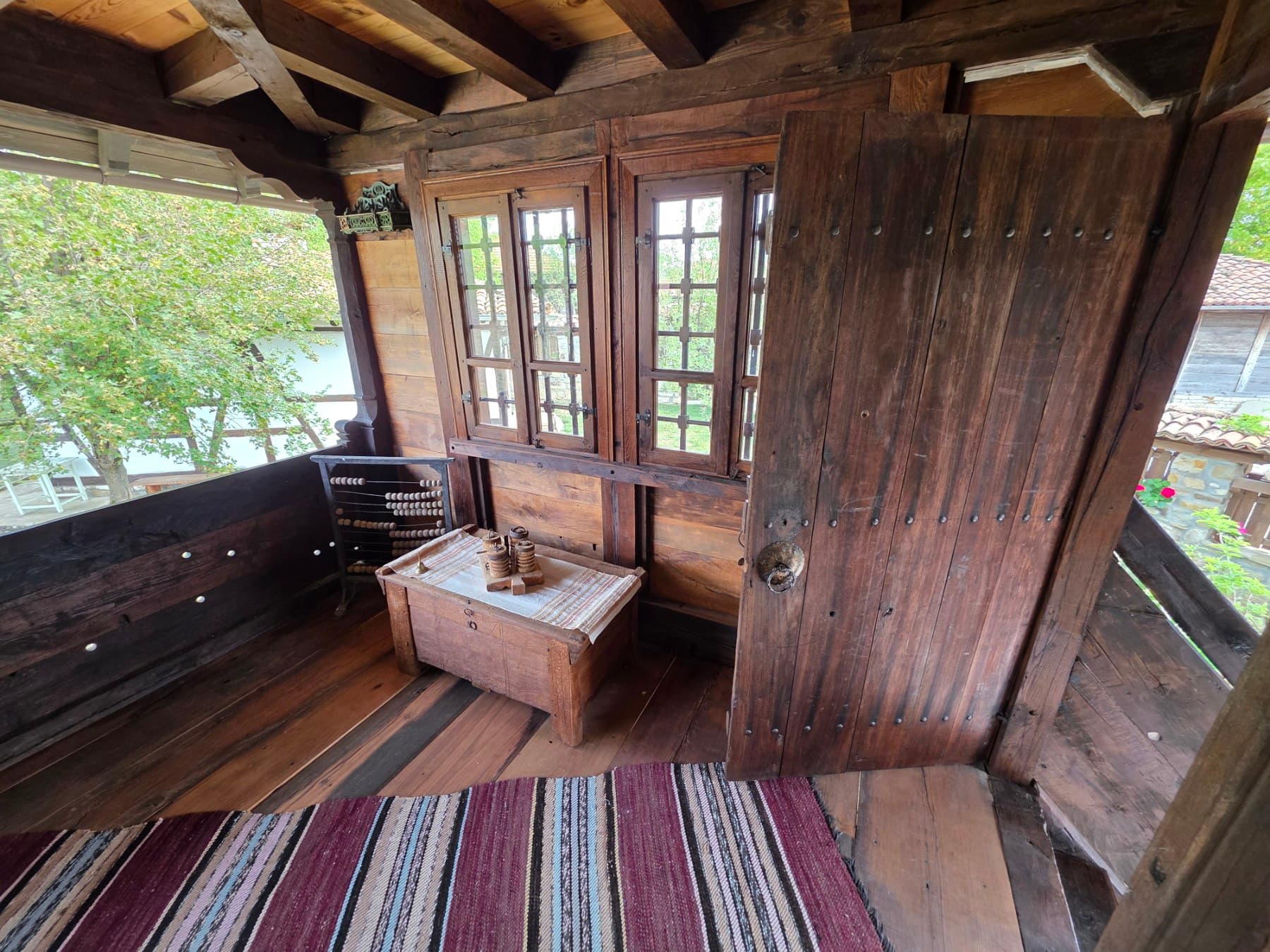
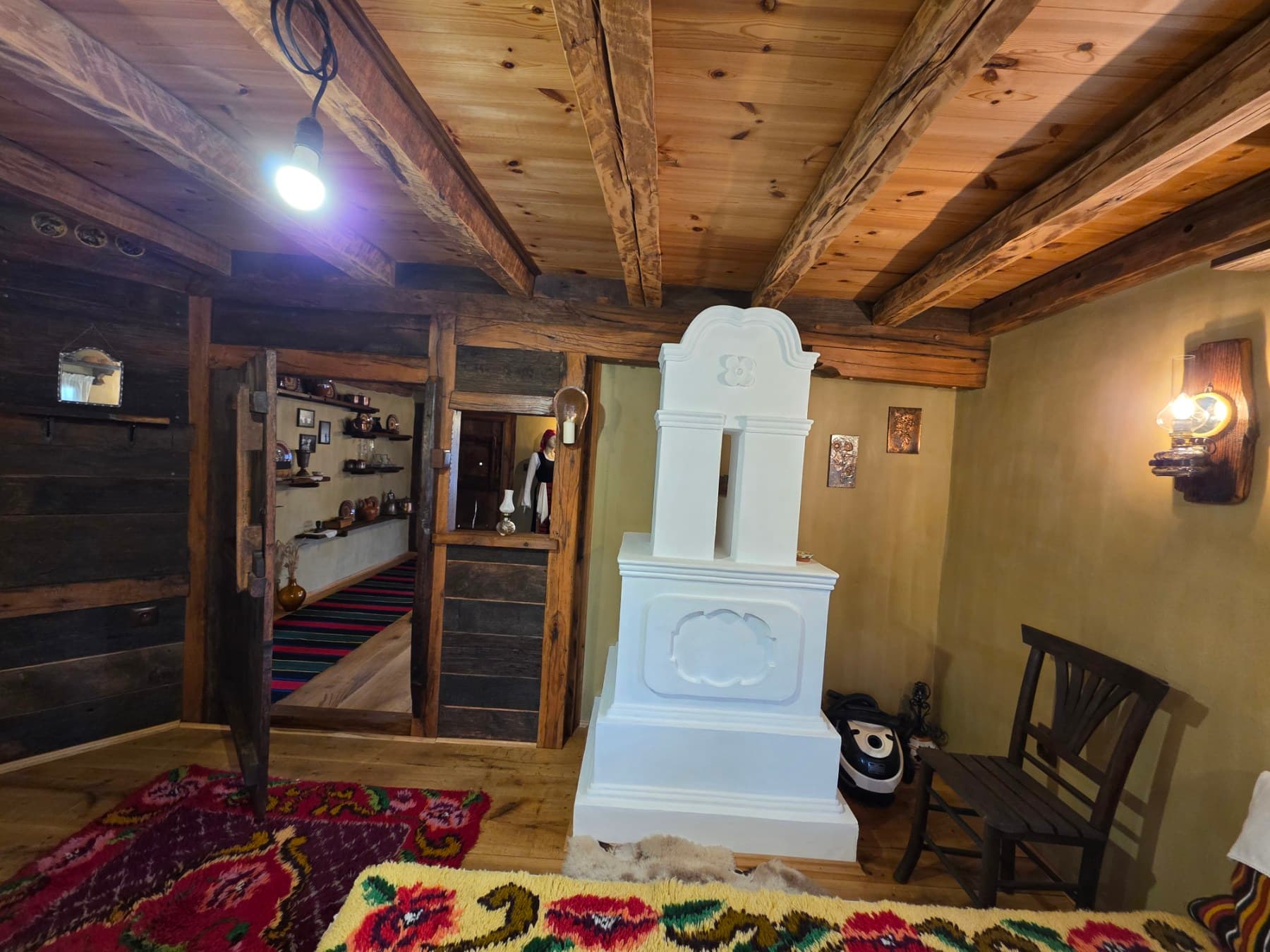
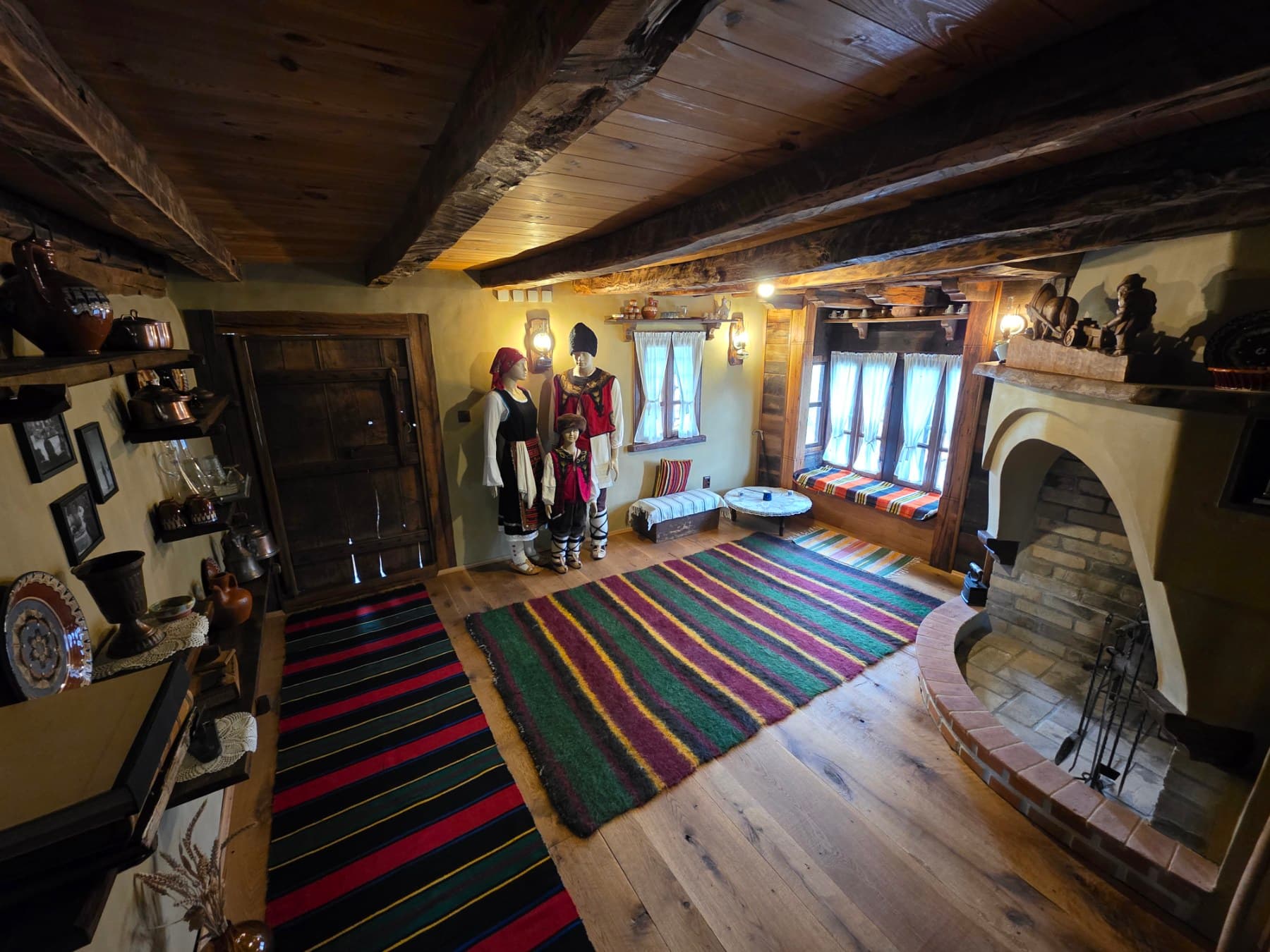
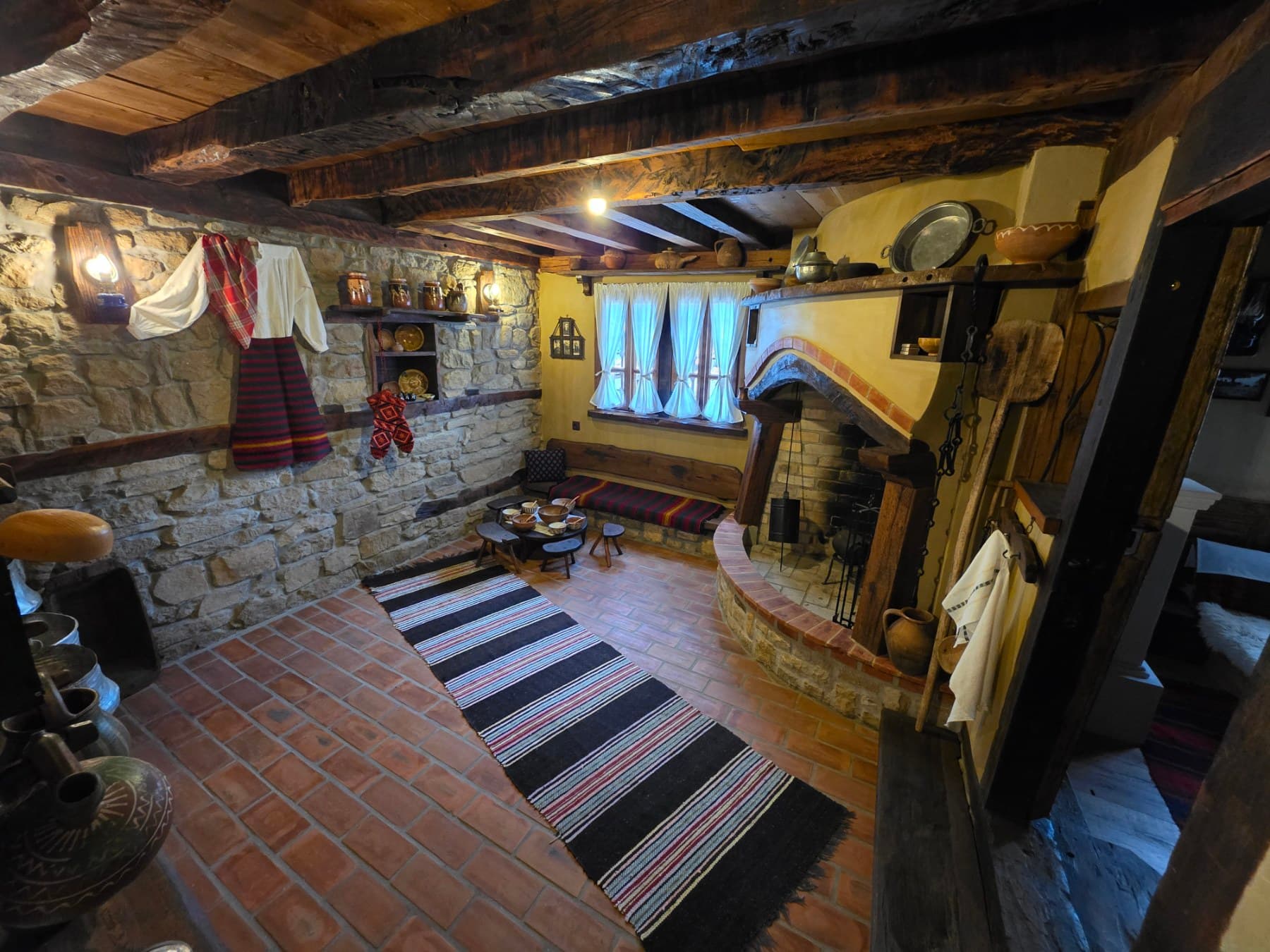
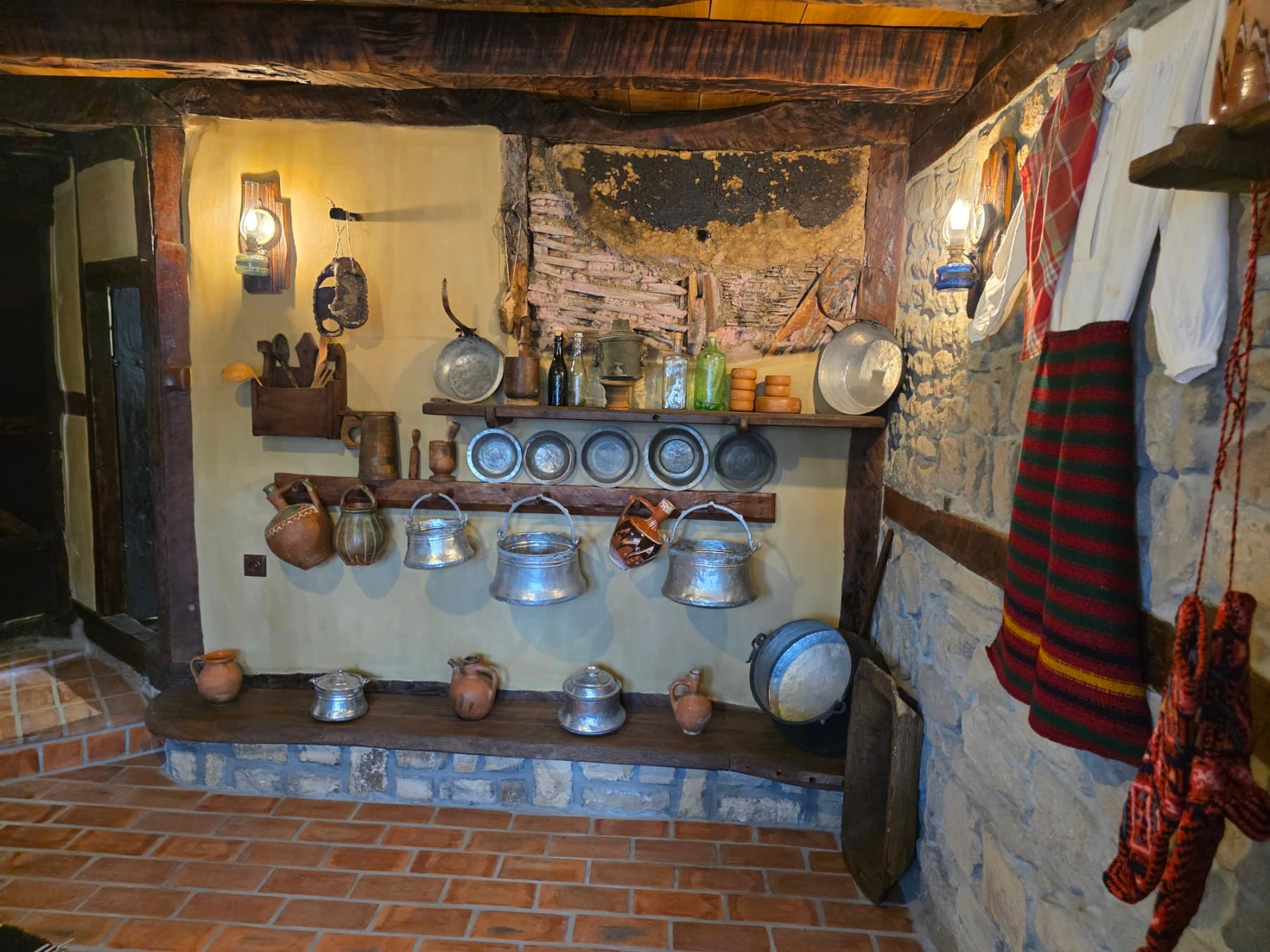
The atmosphere of the National Revival period is apparent from the entrance: the high walls and wooden gates, the old oak beams, stone walls and clay plaster. The house was built in 1868, as shown by the inscription carved into one of the doors on the second floor: “сене 1868”.
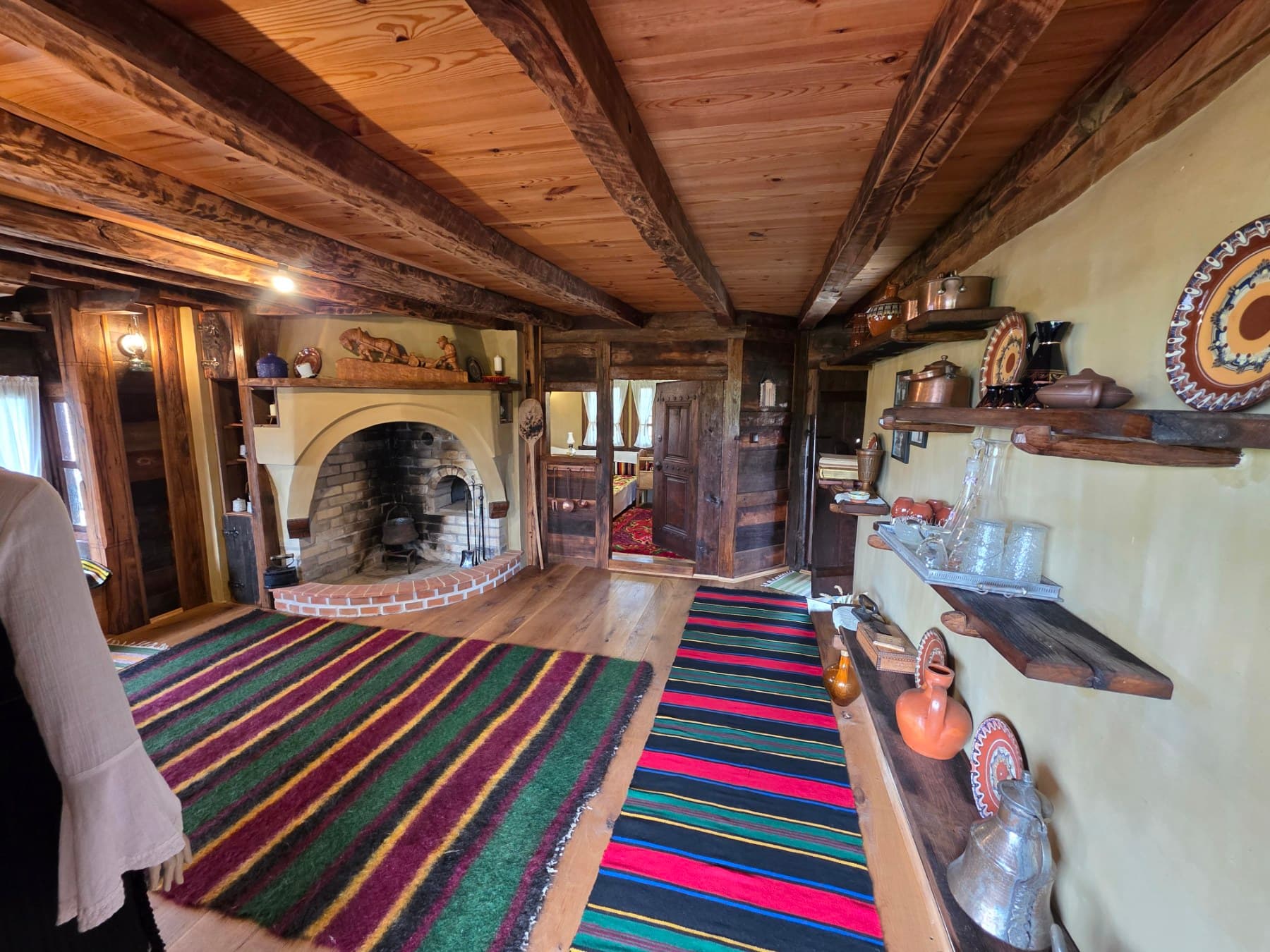
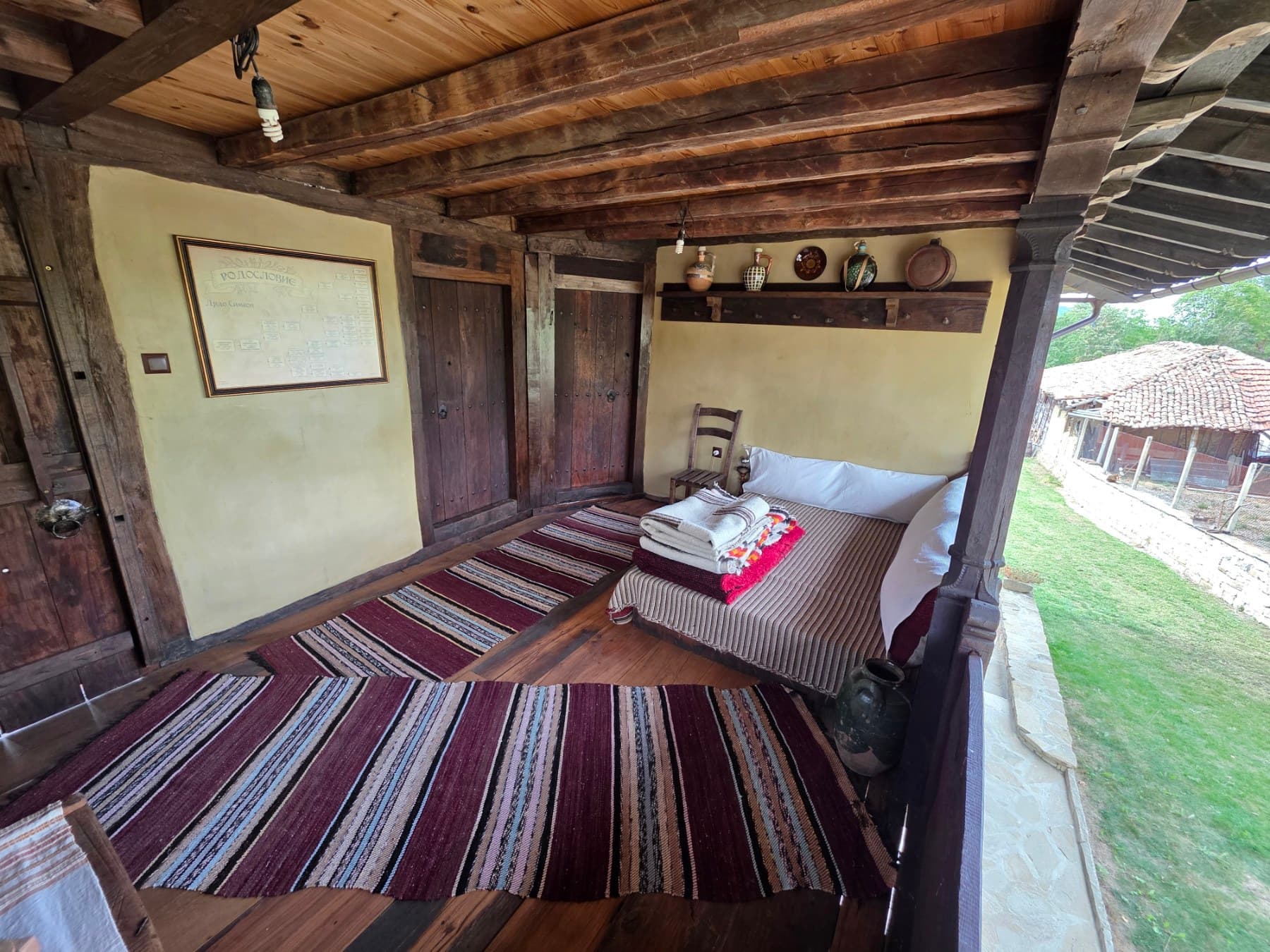
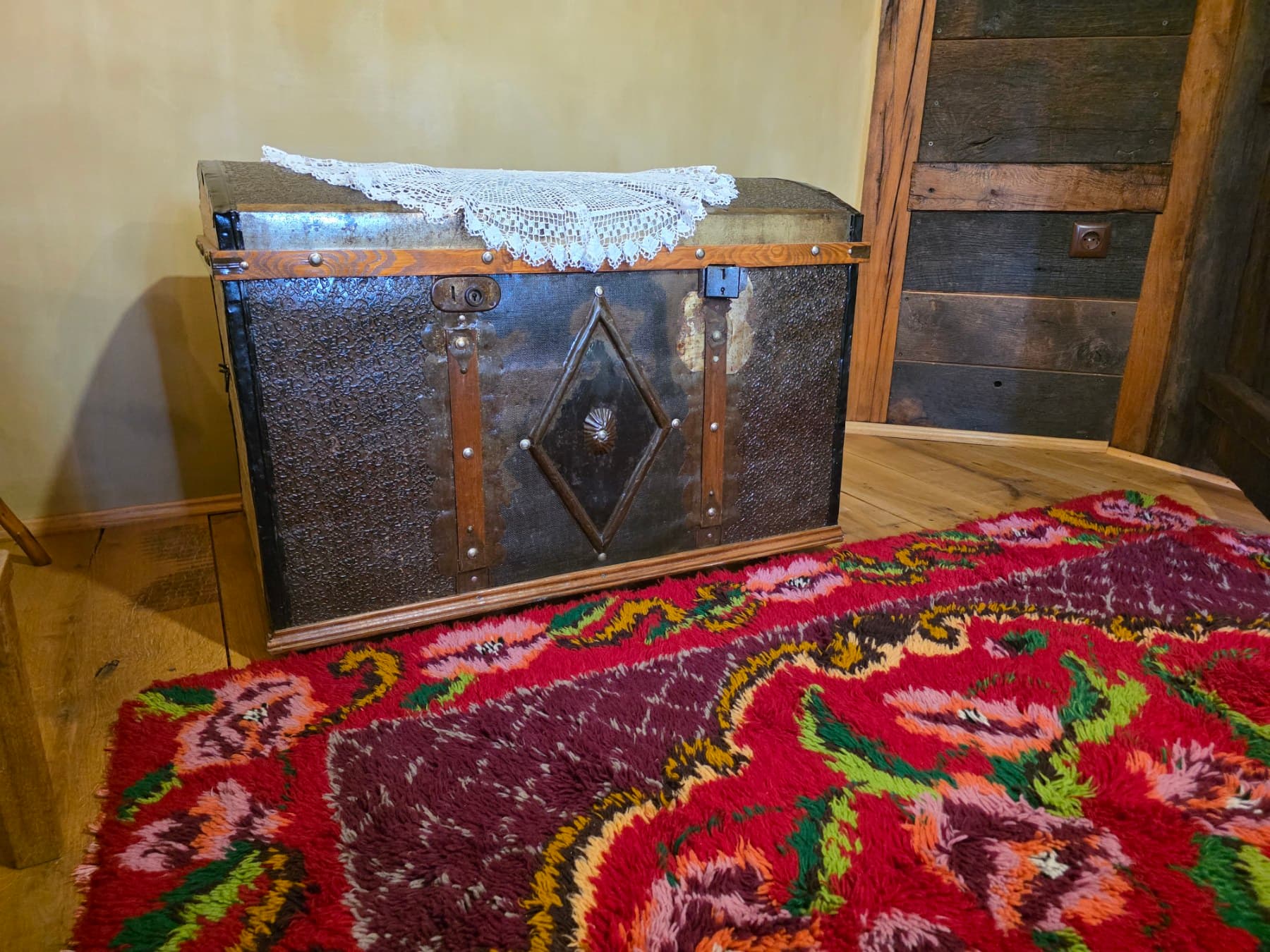
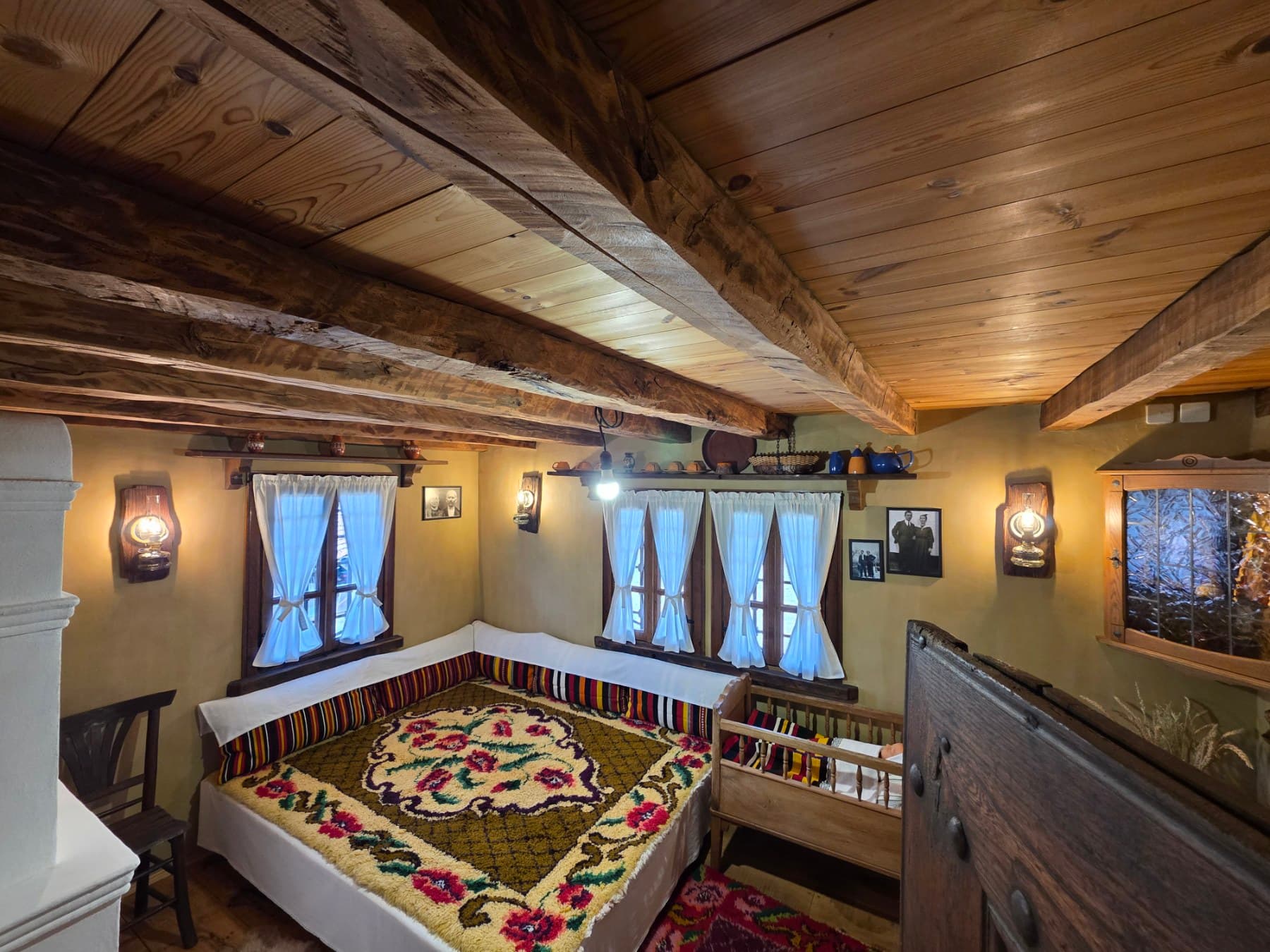
The house has been turned into an ethnographic collection. The first floor presents the family’s life before 1900. The second floor was occupied by the younger family after 1900 and shows life up to the 1950s.
The courtyard
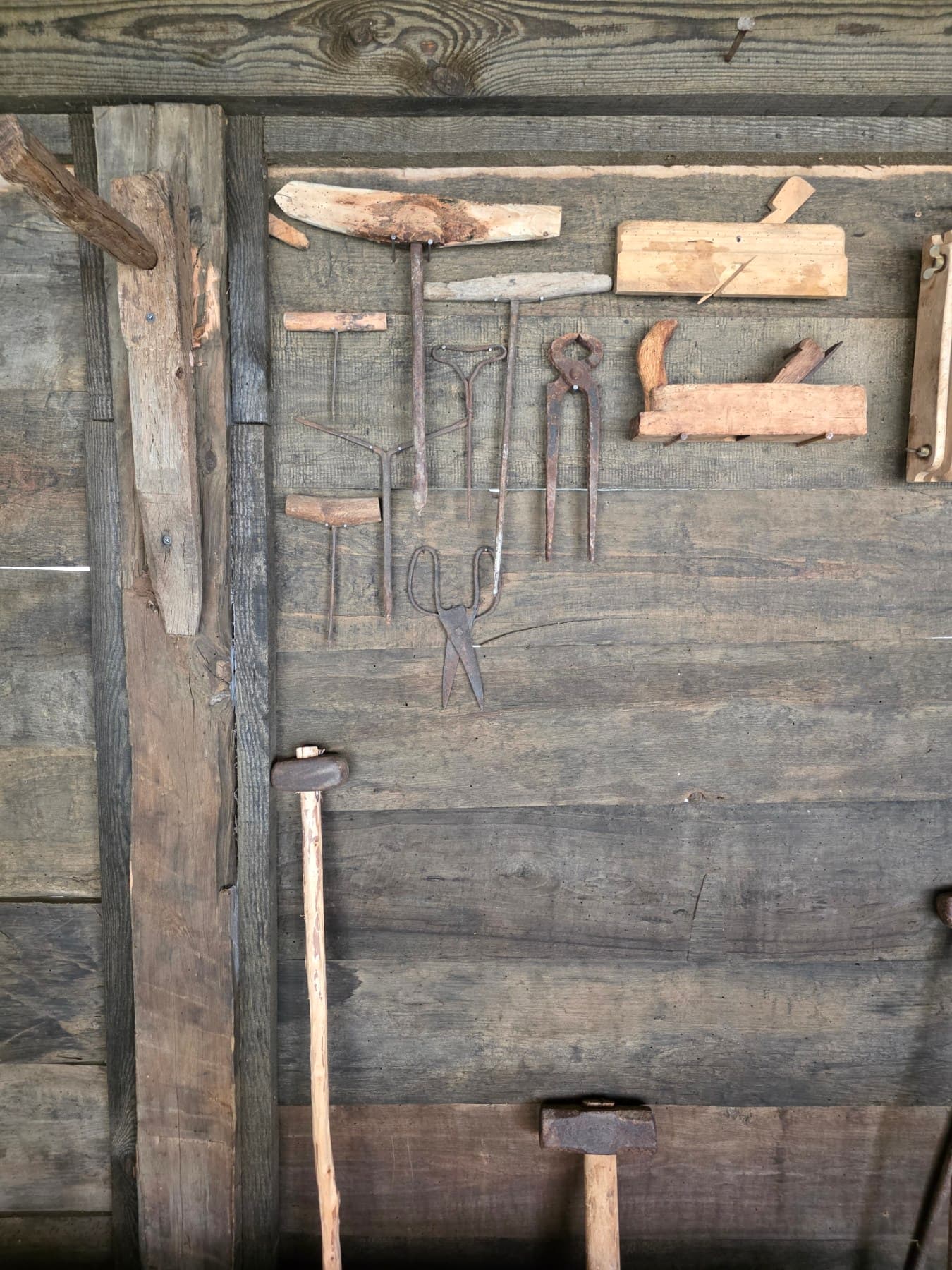
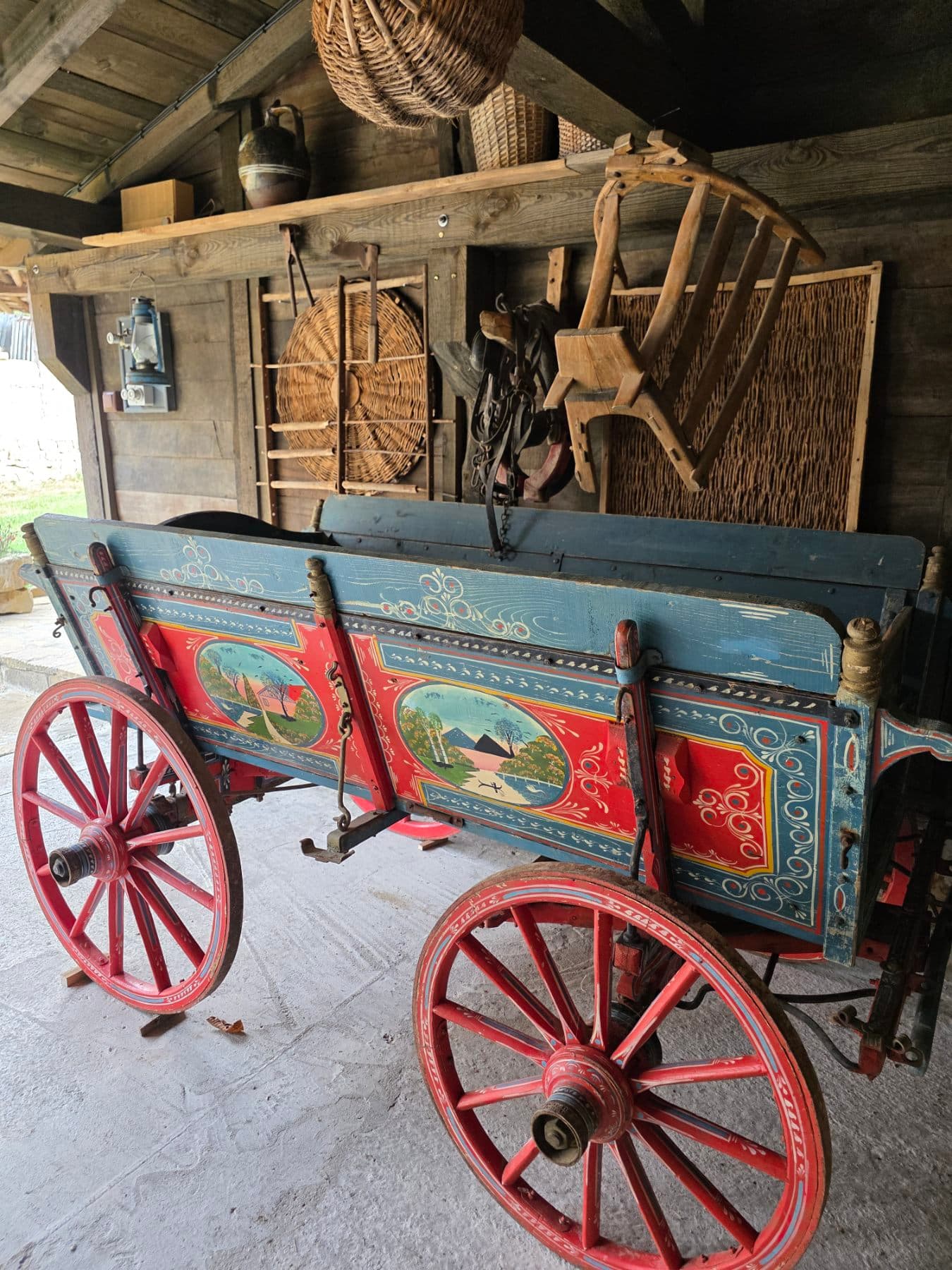
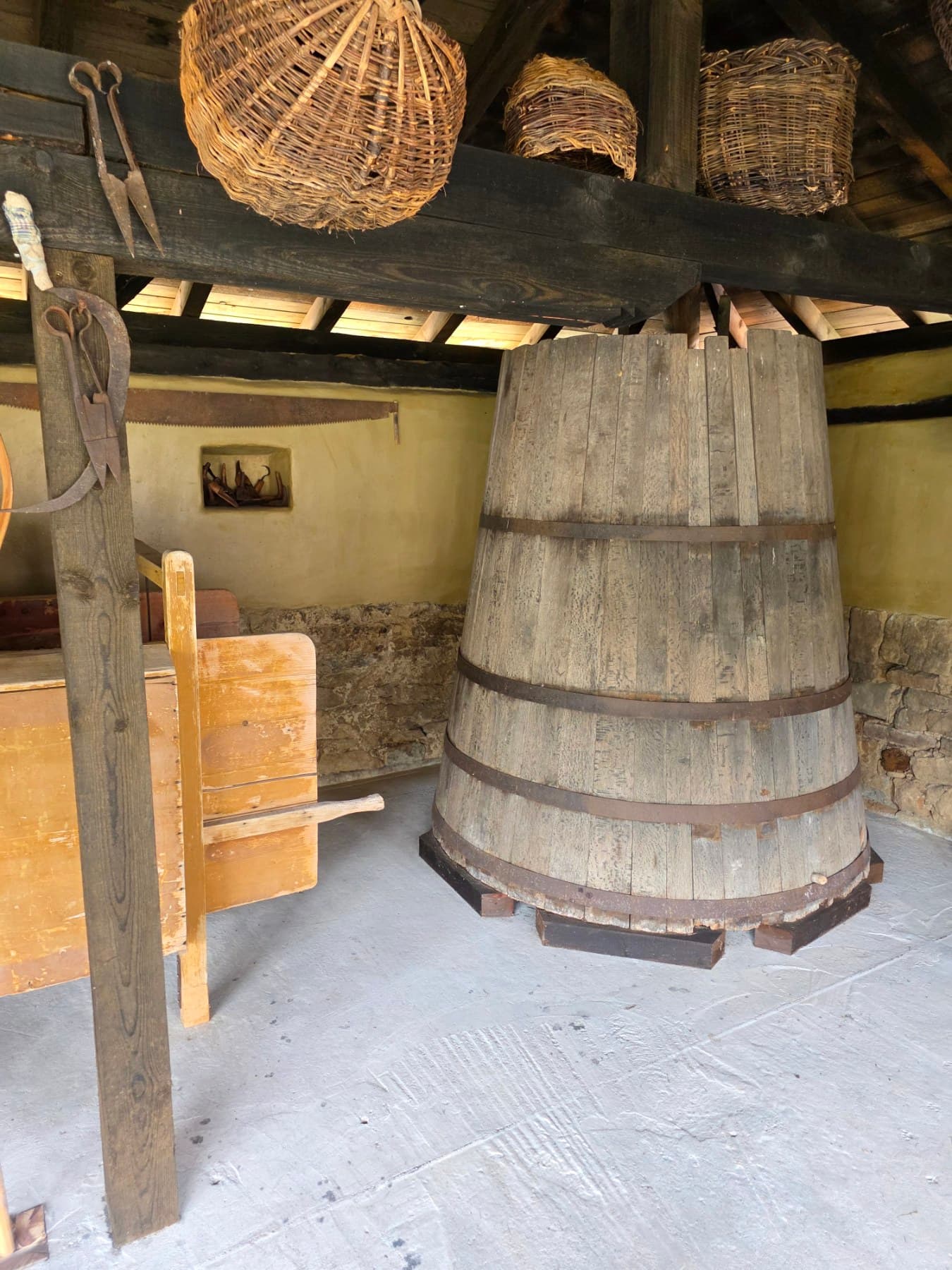
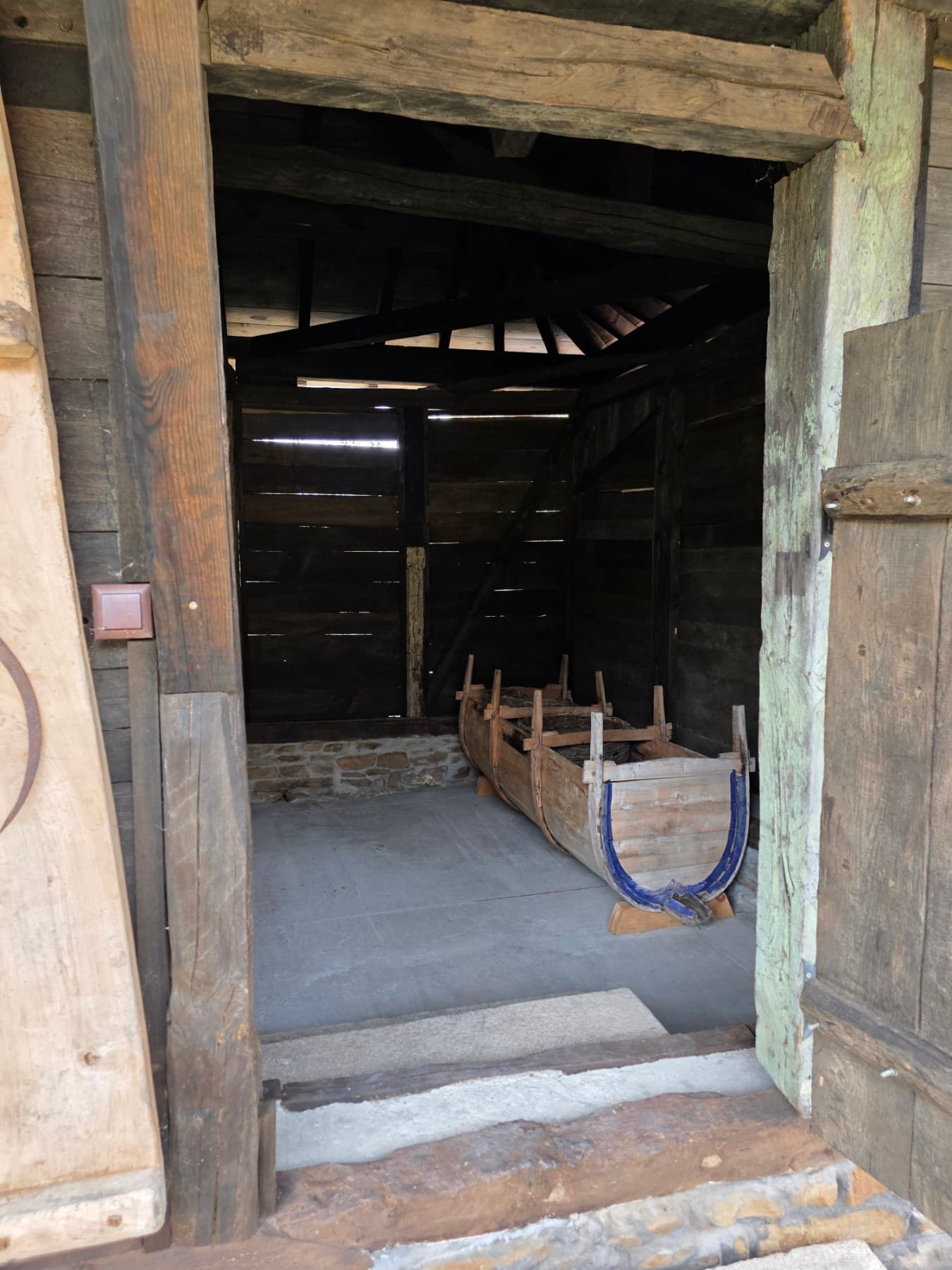
The courtyard is not very large, but it has been thoughtfully arranged to delight those who appreciate traditional Bulgarian crafts. Ploughs and woven beehives stand along the walls on either side. These tools show how the family earned its living.
Here, in the courtyard of the Ethnographic Museum, visitors can enjoy experiences that may change or enrich their appreciation of the beauty of the past.
Our purpose
One of the main aims of the Ethnographic Museum is to recall and preserve Bulgarian folk traditions. To remember our roots and never forget them. To preserve the part of those roots that has sustained us for millennia as a people and a nation.
It is no coincidence that a family’s lineage is compared to an ancient tree: it gives us strength, faith, warmth and confidence. Looking back through the years, we seek the significant events and facts from which we draw wisdom for the future. Knowledge of our roots is above all for the generations to come, so that they may know and honour their origins.
True reverence and respect for our ancestors lives within you and within others, but it must be shared to be real. Otherwise, it remains a one-sided, unfulfilled dream.
A house is built with passion,
but preserved with wisdom!
Visit
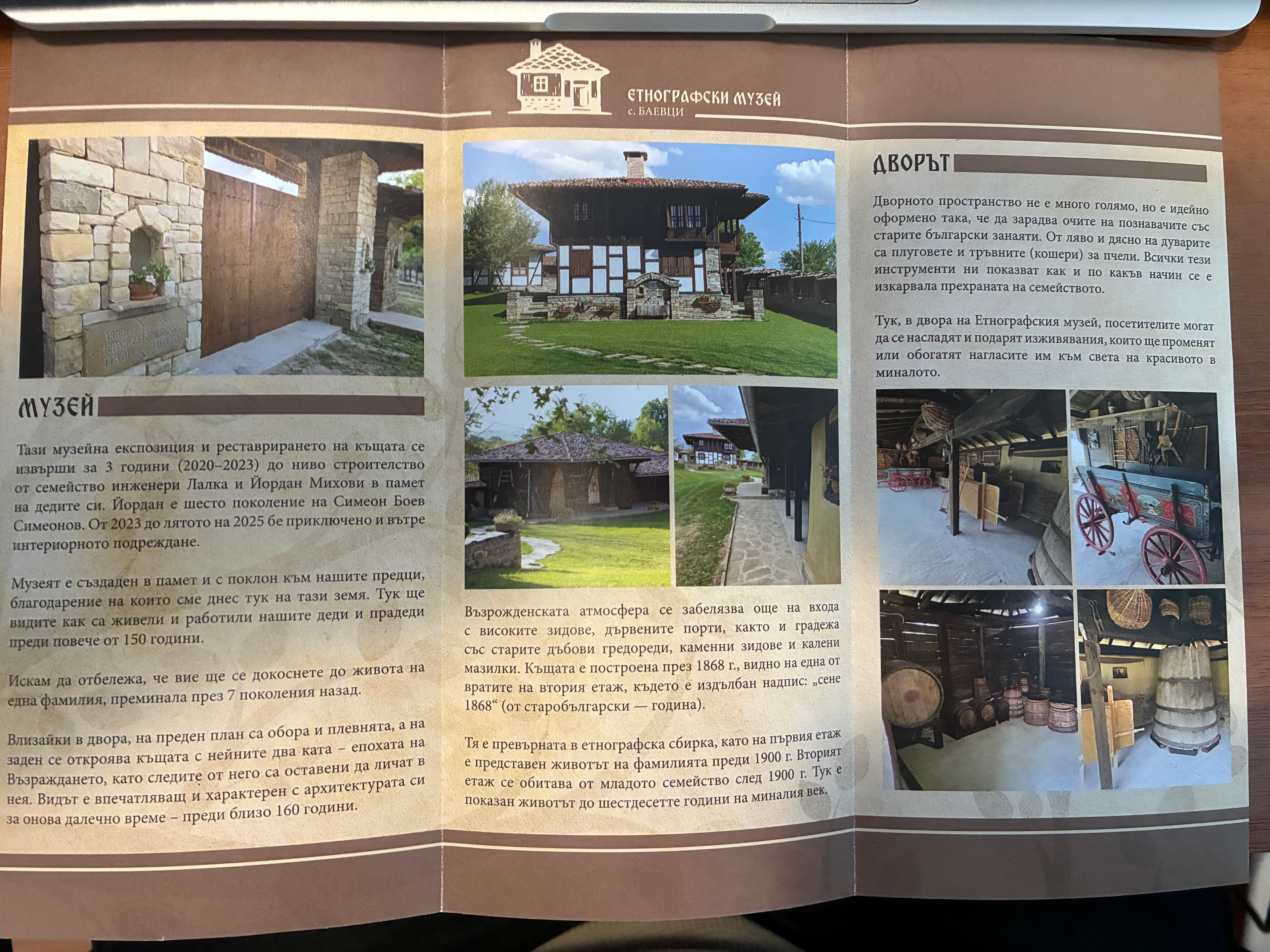
The Ethnographic Museum is in the village of Baevtsi, in the Veliko Tarnovo region.
The restored house and its adjoining farm buildings date from before the end of the 19th century.
On FacebookЕтнографски музей с. Баевци